
How Heat Pumps Work
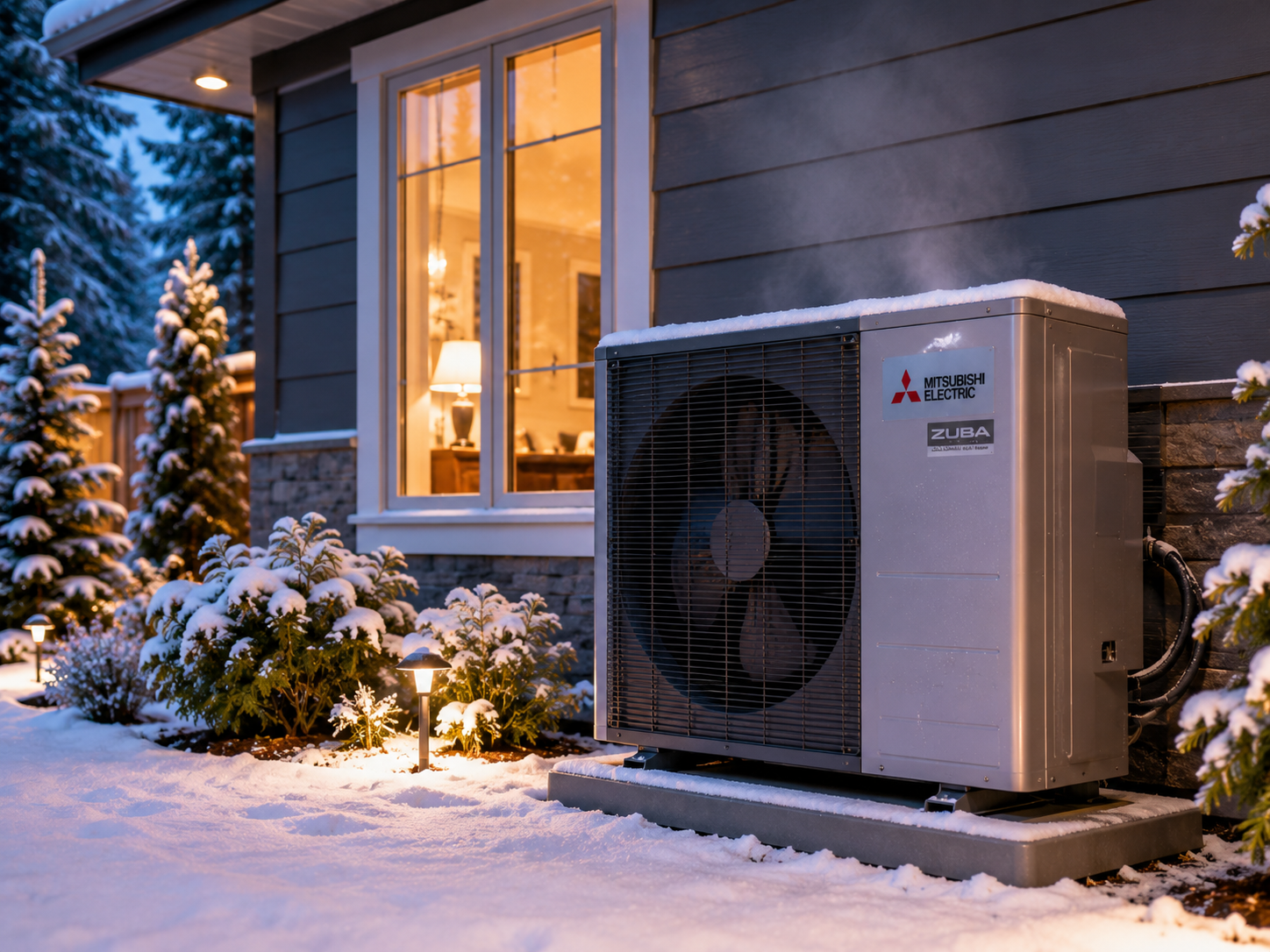
A heat pump does not generate heat the way a furnace does. Instead, it moves heat from one place to another using refrigerant, the same technology your air conditioner uses. In summer, it pulls heat out of your home and releases it outside. In winter, it reverses the process, extracting heat from the outdoor air, even in cold temperatures, and bringing it inside. Because it moves heat rather than creating it, a heat pump can be two to three times more efficient than a traditional electric or gas heating system.
Cold Climate Performance
A common concern in Northern Idaho is whether a heat pump can handle the cold. Modern cold-climate heat pumps are specifically engineered to operate efficiently at temperatures well below freezing, some down to minus 15 degrees Fahrenheit. For the vast majority of the heating season in Post Falls and surrounding areas, a properly sized cold-climate heat pump can handle your heating needs without a backup furnace.
Cost Savings and Environmental Benefits
Because heat pumps are so efficient, they typically cost less to operate than gas furnaces, especially as natural gas prices fluctuate. Over the life of the system, the energy savings can be substantial. Heat pumps also reduce your home's carbon footprint since they use electricity rather than burning fossil fuels. With available tax credits and utility rebates for high-efficiency heat pump installations, the upfront cost is more manageable than many homeowners expect.